

KS4
Key Stage Four Curriculum Overview
GCSE Course Followed: Design and Technology
Specification: AQA (syllabus code 8552)
Why Choose GCSE
Design and Technology is about solving problems in the real world. AGSB students develop advanced design skills and gain an enhanced understanding of the nature of Engineering. Throughout our curriculum, and in exciting extracurricular work, students find creative solutions to real Engineering problems. Our two new courses at GCSE emphasise the multidisciplinary nature of Engineering and the links between Engineering design, Science and Mathematics. They also build upon the skills developed in Year 9 and provide a deeper insight into the multifaceted nature of engineering problem solving in preparation for University level study in any technical discipline.
Our students and staff routinely use the latest Engineering design and rapid prototyping tools, and are passionate enthusiasts of Robotics, Microelectronics, and a new push into the Internet of Things. AGSB technologists are regularly awarded the prestigious Arkwright Scholarships in Engineering. Our students have the freedom to complete ambitious and demanding Engineering design projects that are frequently indistinguishable from A-level work. 90% of our students achieve a 9-7 grade.
The assessment of the new Design and Technology course is a split between a Non-examined Assessment worth 50% and a written paper worth 50%.
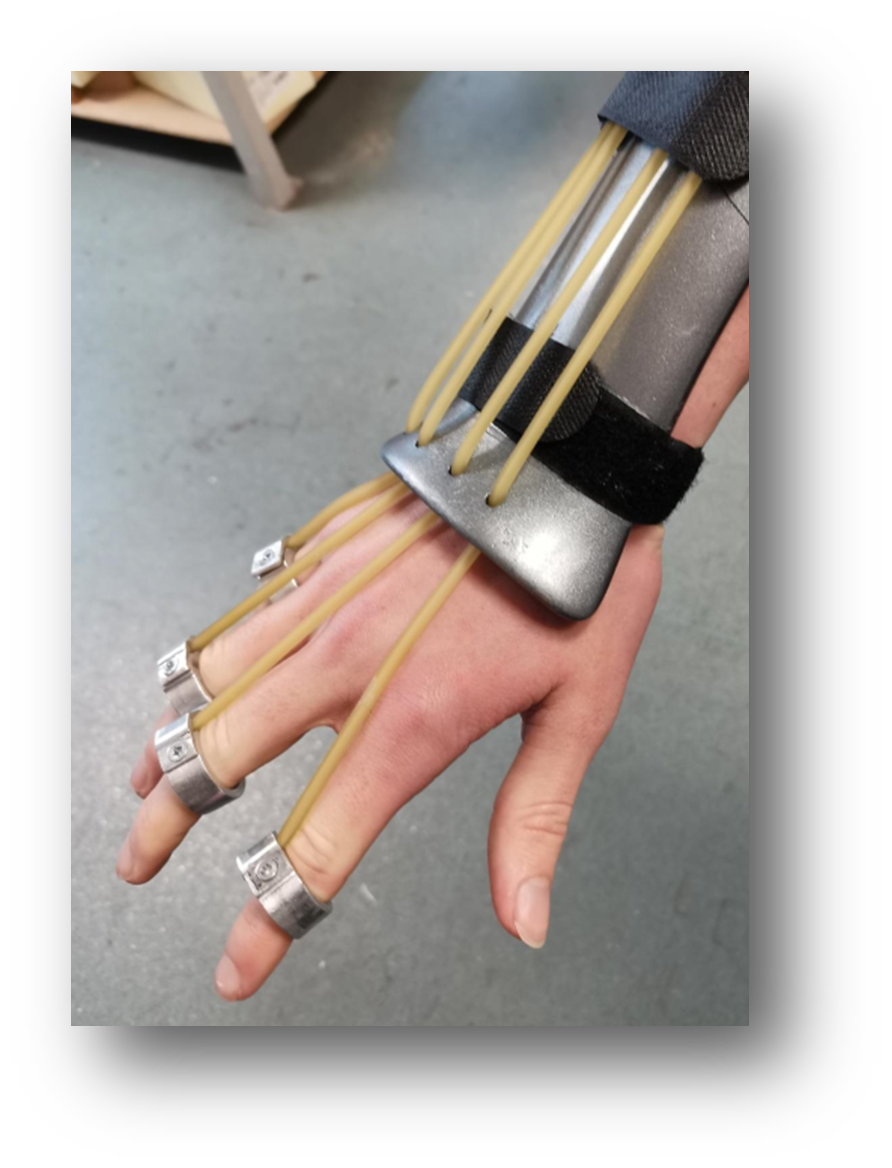
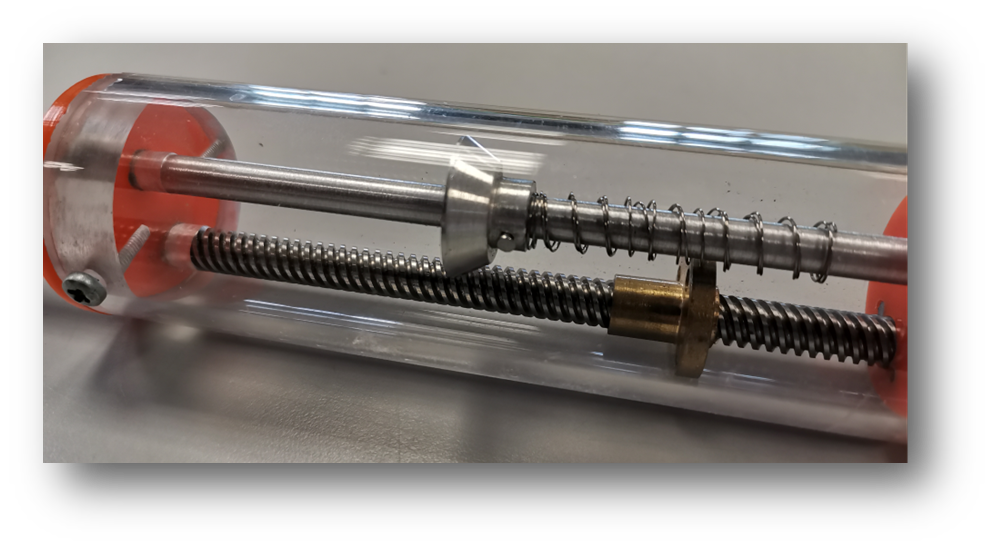
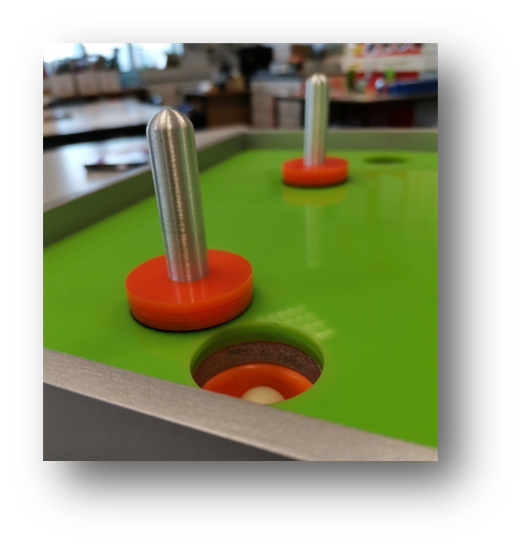
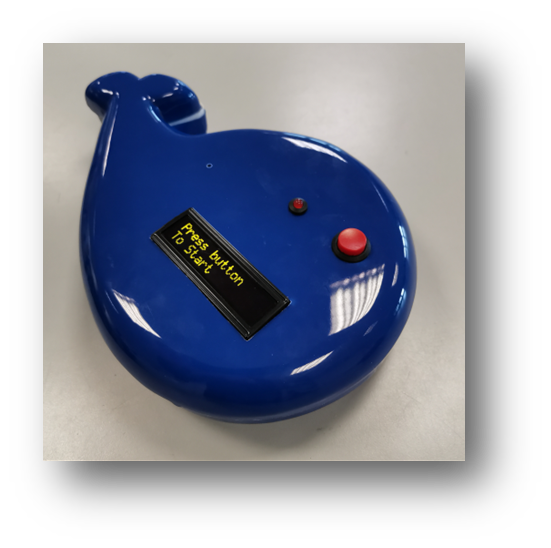
In the summer term of Year 10, students will be expected to choose a project from a range of contextual challenges provided by the examination board. They will then spend 30-35 hours working through the project to a practical outcome. Students may work with any technology available to solve the problem from state-of-the-art embedded electronics through to 3D printed parts. A portfolio of design evidence will be produced alongside this problem-solving task. The written exam will be 2 hours in length at the end of the course and will examine core technical design principles together with a short design question. 15% of this examination will test the candidate’s ability to apply mathematics and science principles to solve real world engineering problems. A support structure is in place so that pupils can book specific time slots for 1:1 feedback both during and outside of lesson time.
yEAR 10
| NAME OF TOPIC | KEY CONTENT OF THE TOPIC | ASSESSMENT POINTS | |
|---|---|---|---|
|
HT1 |
Practical Skills Graphical Skills Theory Content |
The start of the theory content will be delivered alongside the coursework and any practise pieces. The first task is a skills-based project focussing on 5 separate skills |
GCSE 1-9* see description below |
|
HT2 |
Manufacturing Design Challenge |
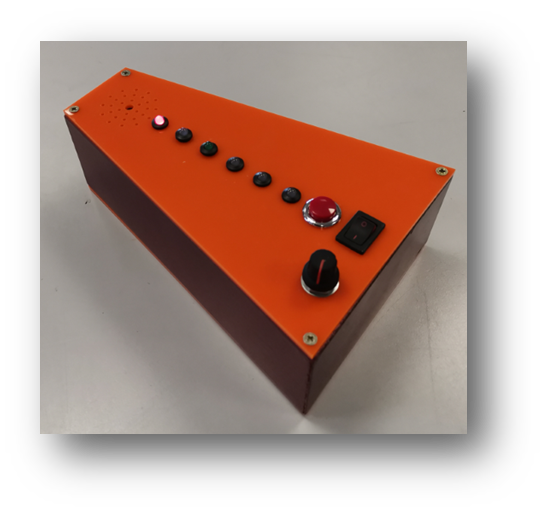
Using the knowledge gained in HT1, Pupils will apply this to solve a particular design and make problem from a set list. Examples include LED mood lighting and Passive Speakers. |
|
|
HT3 |
Completion of the project |
The 1st Design project is completed and presented whilst continuing to cover the theory content required for the examination. |
Theory is assessed via homework questions and low stakes timed tests given weekly. |
|
HT4 |
Research and Problem identification practise |
In order to prepare for the NEA (Non-examined Assessment), pupils will carry out a mock Section A to identify and research a particular problem. |
|
|
HT5 |
NEA |
The coursework is formally launched and commences based on the practice done in HT4. Theory consolidation continues. |
Trial Exam |
|
HT6 |
NEA |
Research, Investigation and Design Specification must be completed before the end of this term. |
yEAR 11
| NAME OF TOPIC | KEY CONTENT OF THE TOPIC | ASSESSMENT POINTS | |
|---|---|---|---|
|
HT1 |
NEA | The whole year is spent completing the NEA which is worth 50% of the course alongside times tests to ensure that factual recall is at the required standard. | GCSE 1-9 * see below |
|
HT2 |
NEA Manufacture |
Revisit key theoretical concepts | |
|
HT3 |
NEA completion |
||
|
HT4 |
NEA completion and evaluation |
20 Page e-portfolio 35 hours |
|
|
HT5 |
Revision | The theory content is revisited to ensure that no gaps exist. Pupils must work often to recall the key facts. | |
|
HT6 |
N/A | GCSE exams |
Recommended Revision Guides for GCSE
AQA Product Design textbook issued by the department.
Support available for GCSE Students
Lunchtime sessions are available every day in T2 for pupils to work on projects. Bookable 1:1 time see Mr Baker.
*Practical Work is marked according to the GCSE marking criteria and formative assessments are offered. Students are encouraged to record the feedback sessions and act upon the suggestions in the form of a self-evaluation. Project work is assessed depending on the category submitted and is graded numerically according the the AQA mark scheme. Personalised feedback is offered both verbally and in written format throughout Year 10 so that pupils are well prepared for the NEA task and can undertake it independently. Personalised feedback in Year 11 is prohibited under NEA guidance but general feedback to the class based on submissions can be expected after each deadline set on Satchel One. Homework is set in line with the homework policy.