

KS5
KS5 Computer Science
A Level Computer Science Specification:
OCR H446 Computer Science
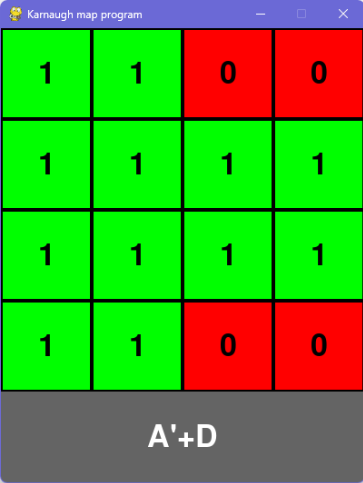
Curriculum Overview
For each topic studied, Topic Descriptors detail the knowledge and skills needed to progress in that topic.
Topic Descriptors are shared with students at the start of every topic.
|
KEY CONTENT OF THE |
ASSESSMENT POINTS (ALSO CLASS SPECIFIC TEST AND HOMEWORK |
KEY CONTENT OF THE TOPIC TEACHER 2 |
ASSESSMENT POINTS (ALSO CLASS SPECIFIC TESTS AND HOMEWORK) |
|---|---|---|---|
|
Principles of computational thinking:
|
Online quizzes
End of topics tests |
Programming techniques:
|
Online quizzes
End of topics tests
Coding Exercises |
|
Computational methods:
|
Online quizzes End of topic tests |
Data types, part 1:
|
Online quizzes End of topic tests Worksheets |
|
The structure and function of the processor:
|
Online quizzes End of topic tests |
Boolean algebra:
|
Online quizzes End of topic tests Worksheets Coding challenges |
|
Types of processors:
|
Online quizzes End of topic tests |
Data types, part 2:
|
Online quizzes End of topic tests Worksheets |
|
Types of programming language:
|
Online quizzes End of topic tests Worksheets Coding challenges |
Web technologies:
|
Online quizzes End of topic tests Coding challenges |
|
Input, output and storage:
|
Online quizzes End of topic tests |
Data structures:
|
Online quizzes End of topic tests Coding challenges |
|
Systems software:
|
Online quizzes End of topic tests |
Computing related legislation:
|
Online quizzes End of topic tests.
Class discussion and presentation |
|
Databases:
|
Online quizzes End of topic tests Worksheets Database building challenges |
Moral and ethical issues:
|
Online quizzes End of topic tests
Class discussion |
|
Algorithms:
|
Online quizzes End of topic tests Worksheets Coding challenges |
Computational methods:
|
Online quizzes End of topic tests |
|
Applications generation:
|
Online quizzes End of topic tests |
Algorithms:
|
Online quizzes End of topic tests Worksheets |
Coding Throughout the course:
coding exercises are given, refined, and assessed throughout the two years with the aim of developing the skills of the students and to produce a series of modules which can later be used in their coursework.


Coursework runs from the last half term in Y12 through to the end of the 3rd half term in Y13. Coursework lessons are interspersed with theory lessons.
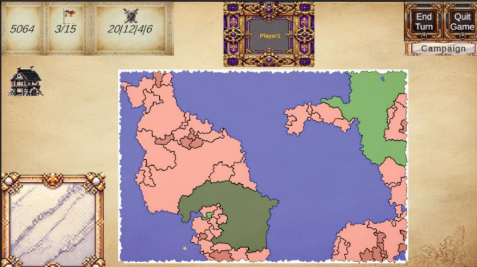
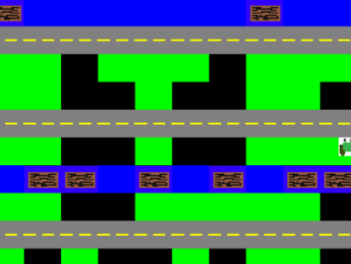
There is also a trip to the Bury arcade club, getting an idea for a coursework project by retro playing games experiencing gameplay, interactions and simplicity of the games from the era.


Recommended Revision Guides for A Level
Revision Guidance:
- Use the course theory self-audit document to recap theory and look for gaps.
- Prepare own summary notes for revision (mind maps or whatever works for you!)
Resources to help:
- Your Microsoft Team and Class Notebook (OneNote)
- PG Online resources
- Craig and Dave videos Support available for A Level Students
- The Python Programming Club supports students who are struggling with programming. This is run by existing A level students
- Programming mentors are available to support students.
- Intervention sessions online run by staff to support students
- Staff available upon request.
Further Study in Computer Science beyond A level
There are many online courses and tutorials available to help with studying Computer Science, some of which will help in their A level studies, others will help beyond A level at AGSB.
Many of our students go on to study Computer Science at University.
Sites and online courses which are useful for studying Computer Science at A level:
- CS50: Harvard’s computer science courses and certificates | edX
- W3Schools Online Web Tutorials
- Web Dev for Beginners - microsoft.github.io
Sites and Online courses which are useful for specific Computer Science based courses at university:
- MITx: Introduction to Computer Science and Programming Using Python. | edX
- MITx: Computational Thinking for Modelling and Simulation
- MITx: Understanding the World Through Data | edX
- MITx: Machine Learning with Python: from Linear Models to Deep Learning. | edX
Extra-Curricular links
AGSB has a highly successful E-sports team and many of our students mix their studies of Computer Science with their gaming interests.