

Electronics
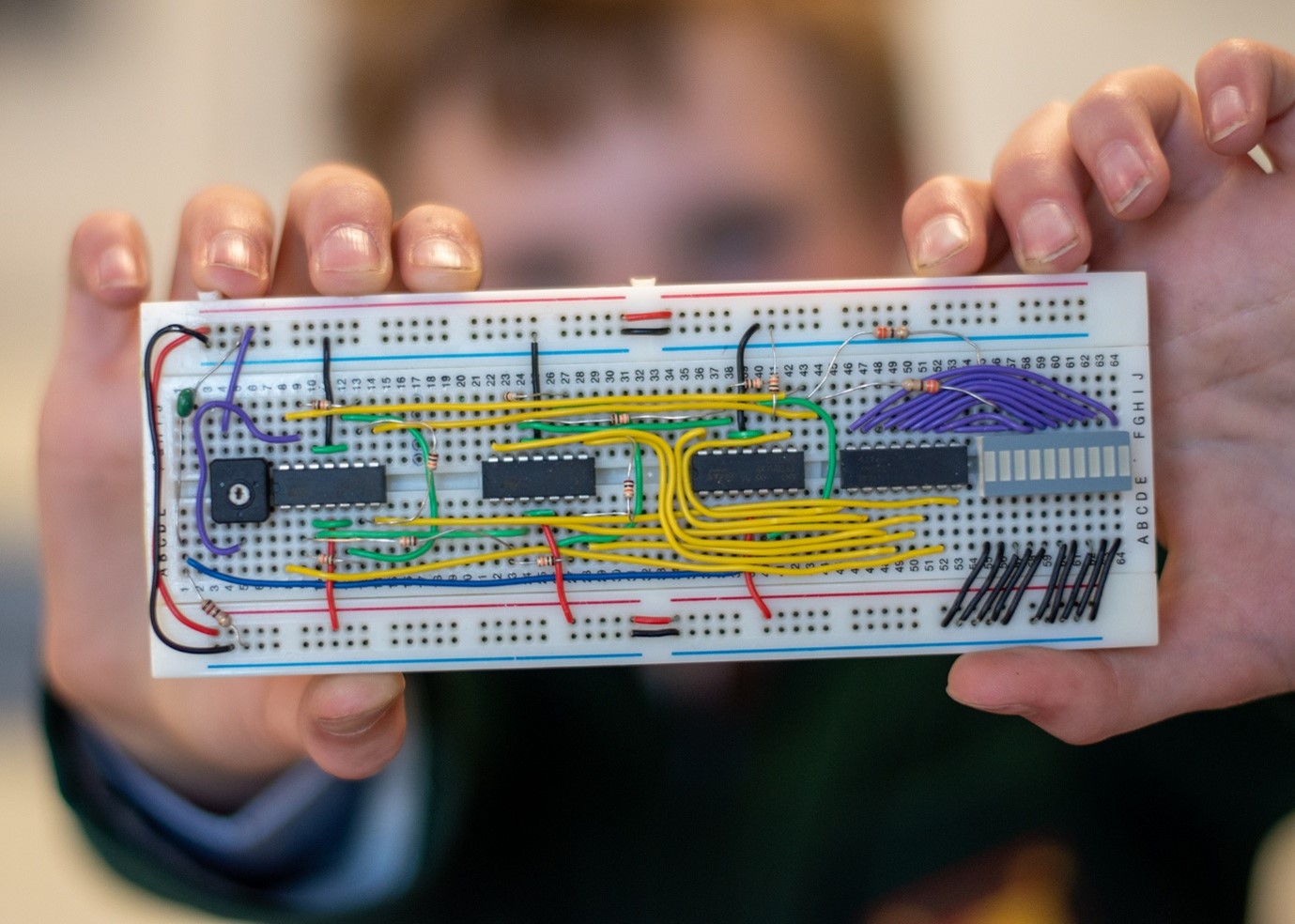
our curriculum aims
This course provides students with the opportunity to develop scientific and mathematical knowledge, engineering skills and the ability to tackle problems in a pure electronics context.
GCSE Electronics is studied in such a way as to develop and maintain an interest in Systems and Electronic Engineering and the appreciation of its relevance in everyday life.
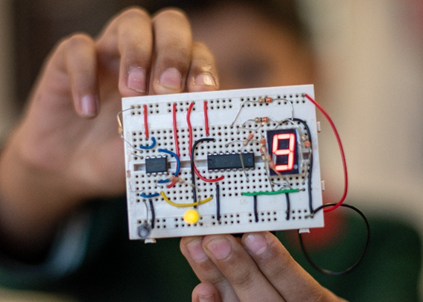
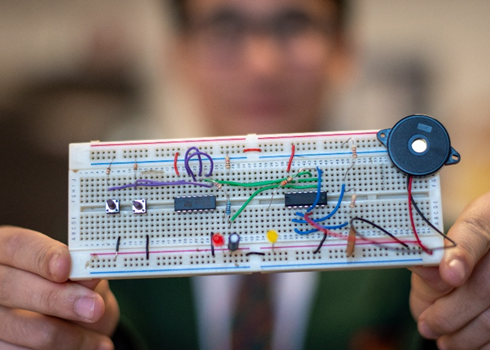
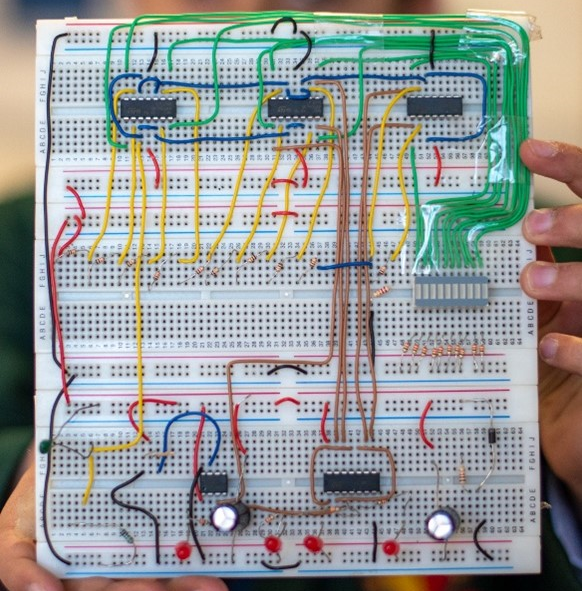
The practical work enables learners to see the theoretical knowledge contained in the specification in action and to gain greater understanding of the knowledge in a practical context.
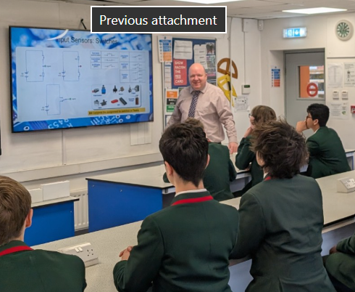
Electronics students develop and test components and systems using advanced level test equipment to solve problems in the real world. We are fortunate to have a dedicated Electronics lab that allows our specialist staff to deliver a course that prepares students well for a future career in any technical discipline.
For pupils, there is a video promotion for Electronics at AGSB on SharePoint which the students can access.
- GCSE Course Followed: Electronics
- Specification: WJEC (Syllabus code C490)
Why Choose GCSE Electronics?
The course is divided as follows:
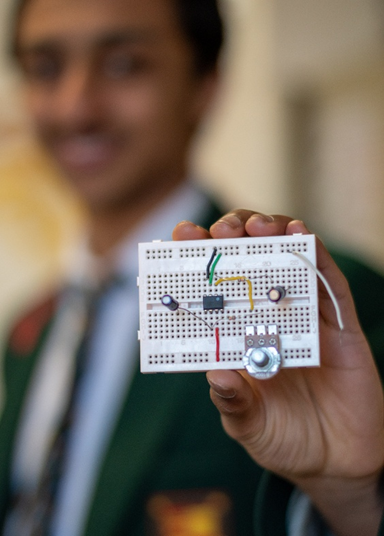
Component 1: Discovering Electronics. 1hour 30 min
This examination is worth 40% and is a mix of short answer questions, structured questions and extended writing questions, with some set in a practical context.
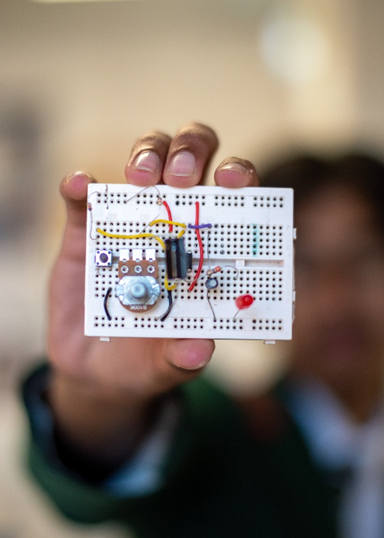
Component 2: Application of Electronics. 1 hour 30 min
This examination is also worth 40% and is a mix of short answer questions, structured questions and extended writing questions, with some set in a practical context.
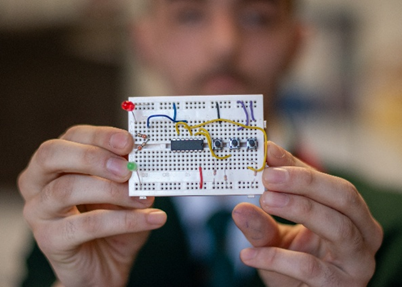
Component 3: Coursework
Extended System Design—20% of the marks This is a practical task to assess skills in design, development and testing. Completed at the end of the taught course in the final term of year 11
Key Stage Four Curriculum Overview
Year 10
| Name of Topic | Key Concepts | Assessment Points | |
|---|---|---|---|
|
Half Term 1
|
A tasks |
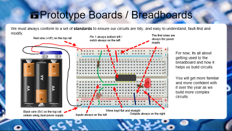
Systems and building circuits, individual common components Input process blocks and signals |
End of topic tests Multiple tasks throughout the topic |
|
Half Term 2
|
C tasks |
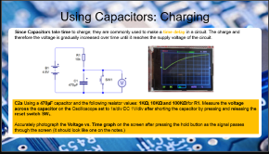
Semiconductors, Capacitors and Diode circuits. Output components |
End of topic tests Multiple tasks throughout the topic |
Half Term 3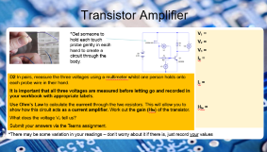 |
D tasks |
Transistors and combining circuit blocks |
End of topic tests Multiple tasks throughout the topic |
|
Half Term 4 |
E tasks |
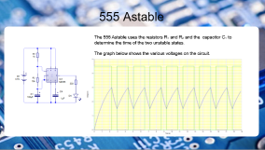
Timer circuits |
End of topic tests Multiple tasks throughout the topic |
Half Term 5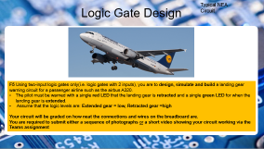 |
F tasks |
Logic and Boolean operators |
End of topic tests Multiple tasks throughout the topic |
|
Half Term 6
|
G tasks |
Amplifiers Interfacing |
End of topic tests Multiple tasks throughout the topic |

Key Stage Four Curriculum Overview
Year 11
| Name of Topic | Key Concepts | Assessment Points | |
|---|---|---|---|
|
Half Term 1
|
I tasks |
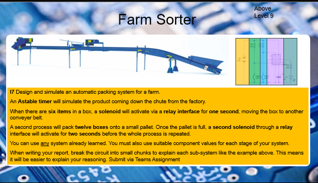
Sequential systems and counting |
End of topic tests Headmasters circuit challenge Multiple tasks throughout the topic |
|
Half Term 2
|
J tasks Mock exam revision |
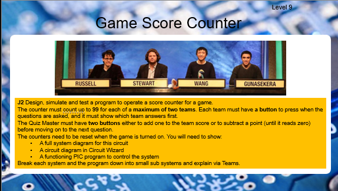
Programmable systems Revision topics based upon assessments and pupil request |
End of topic tests Multiple tasks throughout the topic Mock Exam |
|
Half Term 3
|
20hr NEA task |
Building and testing a complete system |
NEA portfolio |
|
Half Term 4
|
20hr NEA task |
Building and testing a complete system |
NEA portfolio |
|
Half Term 5
|
revision |
Revision topics based upon assessments and pupil request |
Revision topics based upon assessments and pupil request |
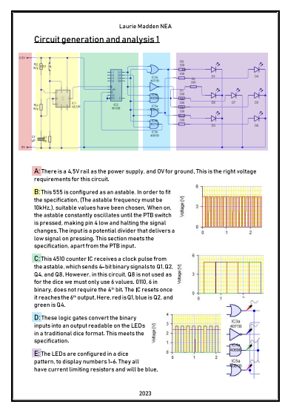
Recommended Revision Guides for GCSE
Mr Smith's notes cover the course and show what tasks are to be completed in order.
Each topic is broken up into small individual sections to teach the theory and practical.
Each topic has an introduction / description and a summary test at the end.
Each topic also has a set of QR codes and links to relevant internet sites, YouTube videos and simulations to assist students with their studies
As this is a practical subject, there are several online simulators which can help with some of the topics covered, sites such as:
- CircuitVerse - Digital Circuit Simulator online
- Circuit Simulator Falstad
- Online circuit simulator & schematic editor - CircuitLab
The Simulation software we use in lessons is available for our students to download and use on SharePoint. This allows students to build and simulate their work at home and to aid their own learning.
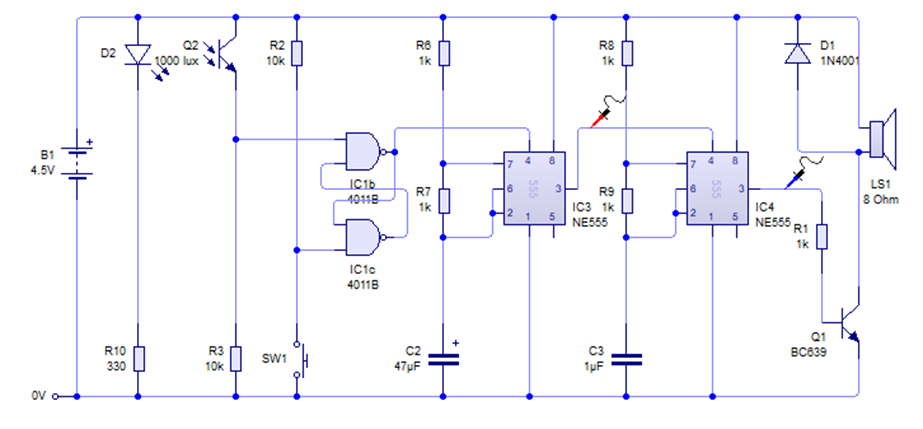
The Eduqas exam board also has a free online textbook which can give additional support. It is found here: Educational Resources - Home
Support available for GCSE Students
The staff teaching Electronics make themselves available for Lunchtime sessions in T1 for pupils studying electronics. We allow the students to request this time with us, and it reduces stress on those studying the course.
The simulation software is a free download from SharePoint for Windows based computers with alternatives for those using the Mac operating system.
There are also multiple videos of the practical tasks available on office365 for students who find themselves absent or those who need a little more help.
Use of modern technology in lessons and at home.
Electronics makes use of Office365 Teams extensively, all tasks and notes are published via Teams.
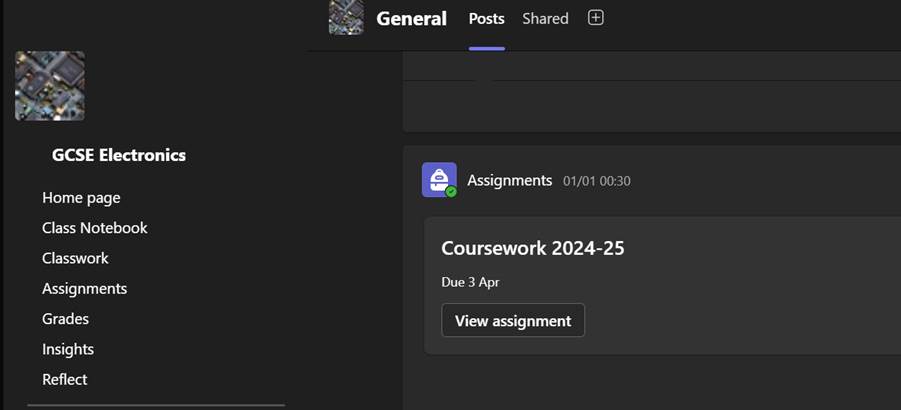
This ensures that all students have all notes, tasks and assignments available to them wherever they are in the world.
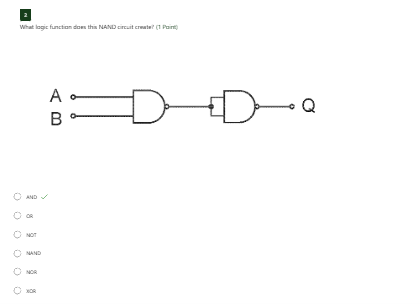
Students are also advised to record evidence of their practical work using modern technology.