

KS5
Key stage 5 Physics curriculum overview
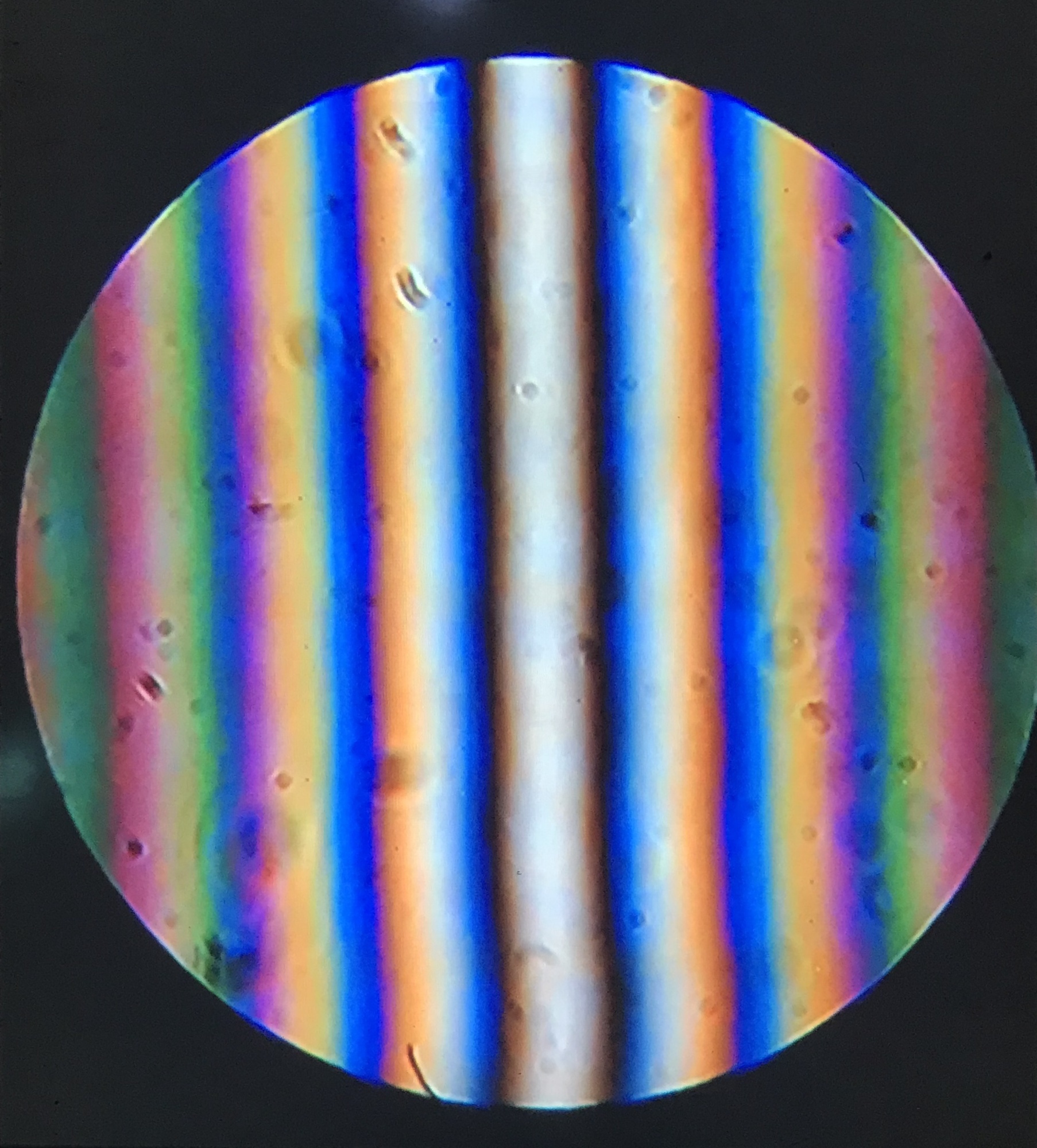
Y12 experiment
The course is AQA A-level physics 7408 and the specification and other resources can be found on the AQA web site: AQA | Science | AS and A-level | Physics
The course includes twelve required practicals (RP). The students have a single laboratory book in which they write up all twelve practicals. Students who consistently display the appropriate standards receive a ‘practical endorsement’ which appears on their A-level certificate. The practicals are judged according to a set of criteria, but no grades are awarded for them and they do not count towards the final grade.
There are three exam papers at the end of year 2; the third one has some questions on practical skills and methods. Some of these questions may relate to the required practicals.
We include many other experiments in the course that are just as valuable educationally as the required practicals and AQA expect all schools to be doing this.
There are five possible optional topics. However, we know from experience that we get the best grades if all students in a class study the same topic with a teacher who has experience of teaching that topic. For this reason, each class is presented with a choice of typically Astrophysics or Engineering Physics. We will discuss the topic that the majority are in favour of. Most schools/colleges do not give students a choice.
In the sixth form, we ask all students to purchase copies of the Collins AQA A-level Physics texts books for year 1 and year 2. The books are well written and contain a significant amount of background and historical information that puts the examinable material in context.
The students also have access to Kerboodle online, which has a number of questions with model answers.
Most students will obtain a copy of the CGP revision guide/ workbook for A-level AQA physics. We recommend this for exam revision as it concentrates only on the examinable material.
In the physics department, we are moving towards a minimal use of paper. For this reason, we ask students to equip themselves with a suitable computer on which they are able to write with a stylus. We have a limited number of ipads for students who do not have a device.
Support is available from the teacher during lunchtimes upon request. From March to May in year 13 we have lunchtime sessions where students are given past paper questions, and we then go through model answers.
Year 13 physics prefects are also available to assist year 12 students.
In the sixth form, we always have two teachers assigned to a group.
For timetabling reasons, the lesson splits can vary between groups. For instance, a year 12 group may have six lessons per fortnight with one teacher and four with the other. Several examples are given below.
Curriculum Plan - Y12 (6/4 split)
| Teacher 1 | 4 lessons | Weeks | Teacher 1 | 4 lessons | Weeks |
|---|---|---|---|---|---|
|
PARTICLES Test |
6 |
Measurements/ errors: SI units (2) MECHANICS: |
6 |
||
| Half Term Break-up October | |||||
|
QUANTUM: Photo Electric effect (2) MATERIALS: |
8 |
MECHANICS: Test 2 |
8 |
||
| Christmas | |||||
|
MATERIALS: |
5 |
WAVES: |
5 |
||
| Half Term - February | |||||
| Topic tests on Mechanics, Particles, Quantum, materials, Electricity part 1, waves part 1 completed prior to March parents evening/ data | |||||
|
ELECTRICITY: |
6
|
WAVES: |
6 |
||
| Easter March / April | |||||
| End of Year Exams - April | |||||
|
ELECTRICITY: |
6 |
WAVES: |
6 |
||
|
Y2: THERMAL SECTIONS 3.1 - 3.4 ONLY |
Y2: CIRCULAR MOTION* (8) | ||||
| Half Term: May/June | |||||
|
Empirical gas laws (RP8 Boyle, Charles). |
5 |
SHM* (RP7 SHM) |
5 |
||
| End of term July | |||||
Curriculum plan - Y12 (5/5 split)
| Teacher 1 | 5 | Weeks | Teacher 2 | 5 | Weeks |
|---|---|---|---|---|---|
|
PARTICLES Conservation laws, QUANTUM: Photo electric effect (2) |
7 |
Measurements/ errors: SI units (2) |
7 |
||
| Half Term Break-up October | |||||
|
spectra, De Broglie equation (6) MATERIALS: |
7 |
MECHANICS: |
7 |
||
| Christmas | |||||
|
MATERIALS: ELECTRICITY: |
5 |
WAVES: |
5 |
||
| Half Term: February | |||||
| Topic tests on Mechanics, Particles, Quantum, materials, Electricity part 1, waves part 1 completed prior to parents evening/ data in March | |||||
|
ELECTRICITY: |
6 |
WAVES: |
6 |
||
| Easter March / April | |||||
| End of Year Exams - April | |||||
|
ELECTRICITY: |
6 |
WAVES: |
6 |
||
|
Y2: THERMAL SECTIONS 3.1 - 3.4 ONLY |
Y2: CIRCULAR MOTION* (8) |
||||
| Half Term: May/June | |||||
|
Empirical gas laws (RP8 Boyle, Charles). |
5 |
SHM* (RP7 SHM) |
5 |
||
| End of term July | |||||
Y13 curriculum plan (6 / 3 split)
| Teacher 1: 6 lessons | Week (Lessons) | Teacher 2: 3 lessons | Week (Lessons) | ||
|---|---|---|---|---|---|
|
GRAVITATIONAL FIELDS |
6 |
THERMAL: |
6 |
||
| Half term Break-up October | |||||
|
ELECTRIC FIELDS |
6 |
THERMAL |
6 |
||
| PARENTS EVE / DATA December | |||||
|
MAGNETIC FIELDS |
2 |
NUCLEAR |
2 |
||
| Christmas | |||||
|
MAGNETIC FIELDS |
2 |
NUCLEAR |
2 |
||
| EXAMS - late Jan/ early Feb | |||||
|
MAGNETIC FIELDS |
1 |
CAPACITORS: |
1 |
||
| Half term: February | |||||
| OPTION: Engineering / Astrophysics | 6 (18) |
Revision and exam practice | 6 (9) |
||
| EASTER March/April | |||||
|
Revision and exam practice |
4 |
Revision and exam practice |
4 |
||
| Study leave mid-May | |||||