

KS4
GCSE Course Followed: Art
Specification: AQA
Why Choose GCSE Art craft and design
The course in Year 10 is dynamic and exciting, and although it follows a natural development of that in Year 9, the range of work, materials and processes broaden, and become more experimental as the year progresses. The main areas of study will include:
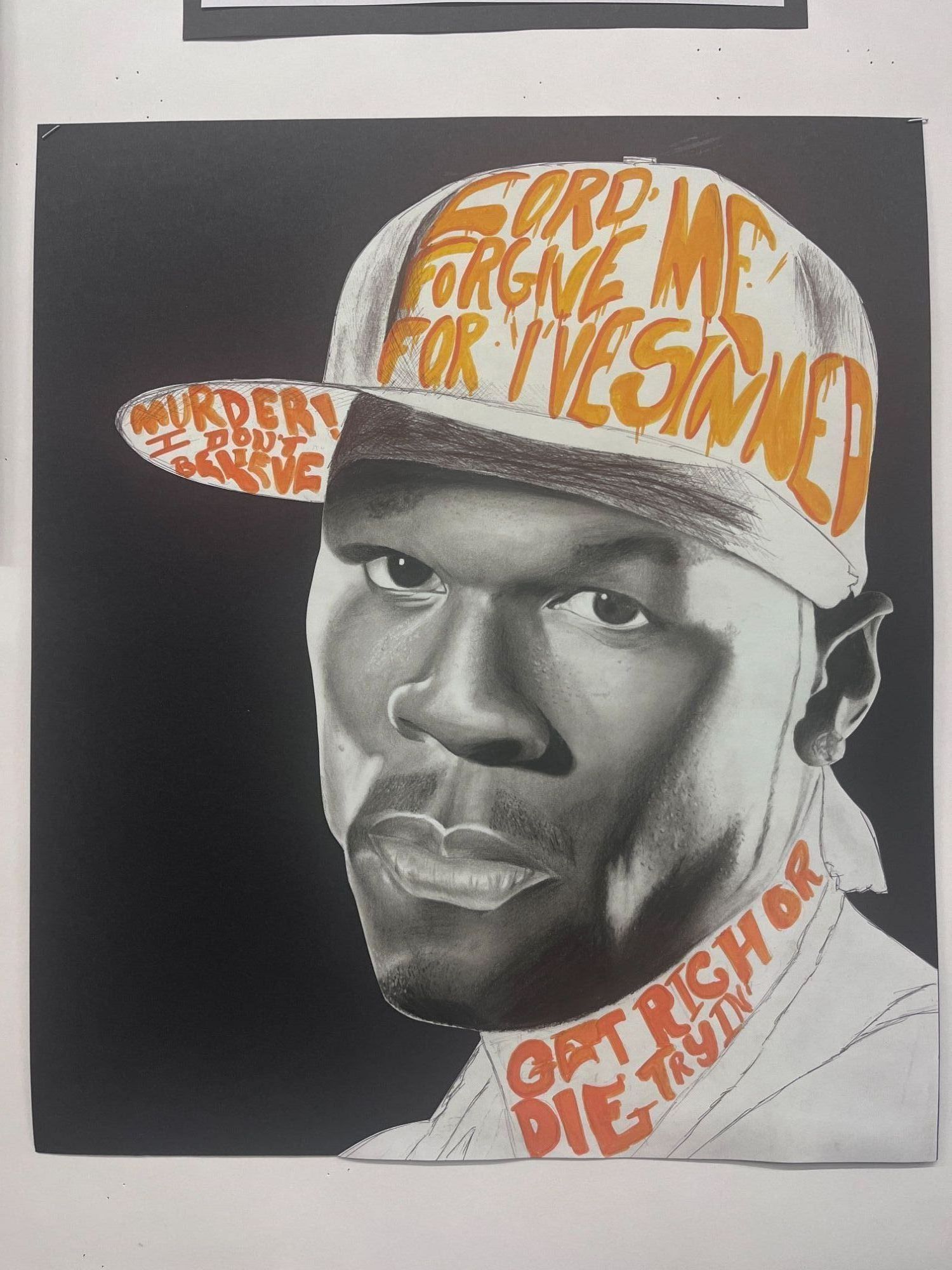
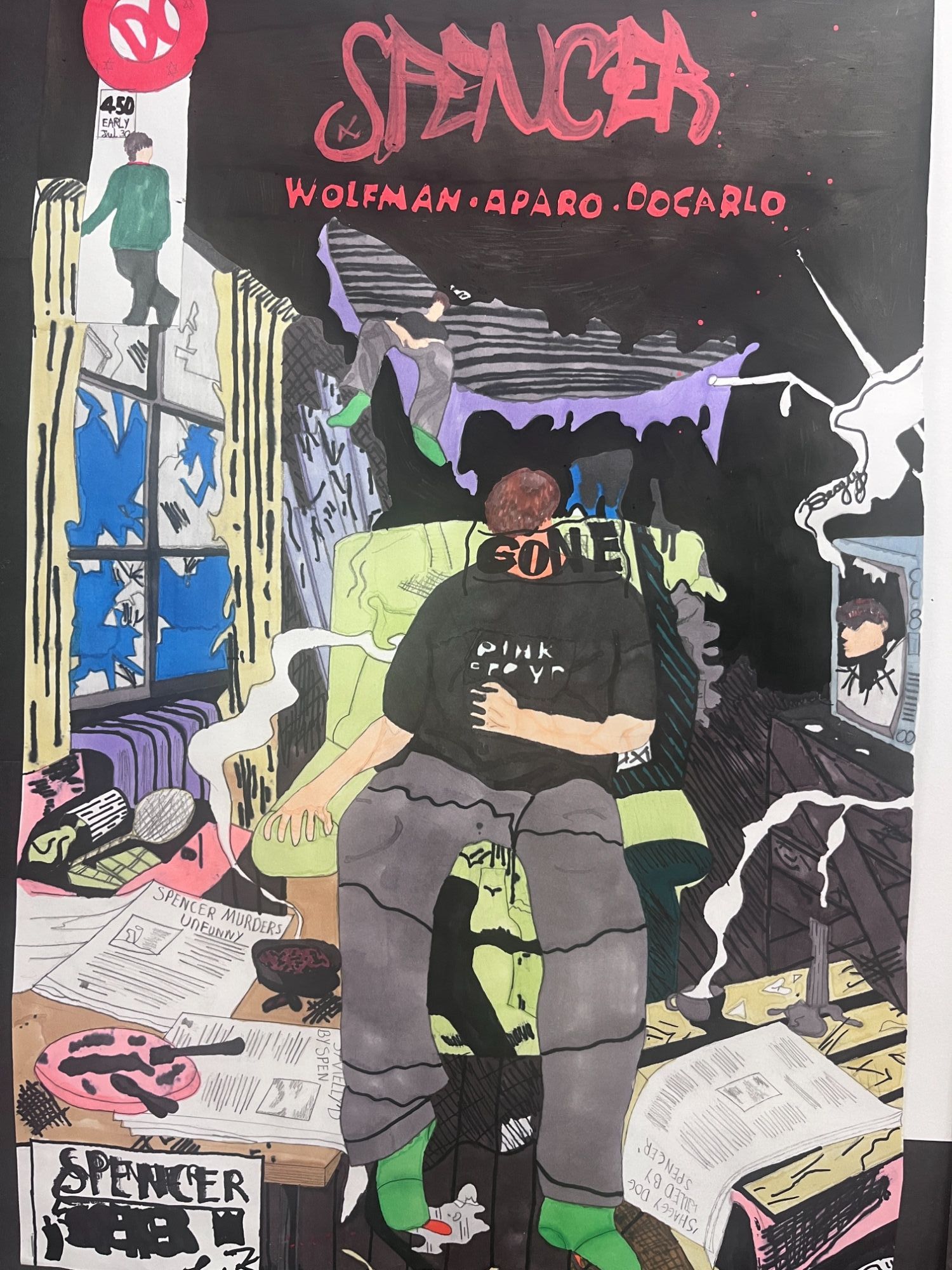
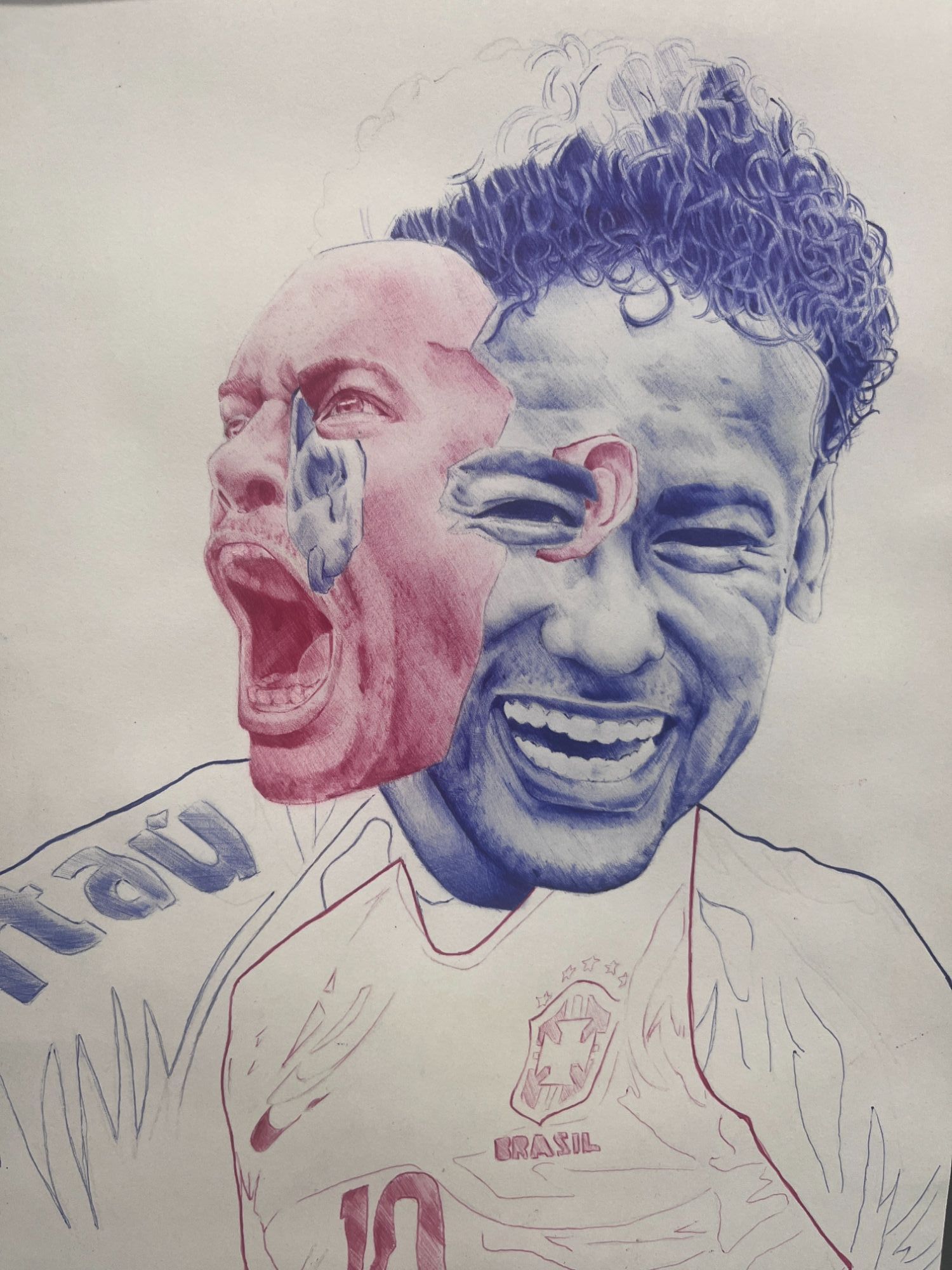
- Drawing and painting (oil pastel, chalk pastel, pen, ink, oil paint, acrylic paint and a range of mixed media)
- Graphic design using Adobe Photoshop on Mac/PC.
- Three-dimensional work (wire, clay, card, mesh, casting etc)
- Critical Studies – regularly referencing the work of artists/movements to support the work in practical areas 1, 2 and 3.
As with all option subjects, homework is an integral part of the course, though this can take a variety of forms and is often set by the pupil himself in consultation with the teacher. As students develop their independent skills students will follow a work timeline to manage the expectation of work.
Assessment
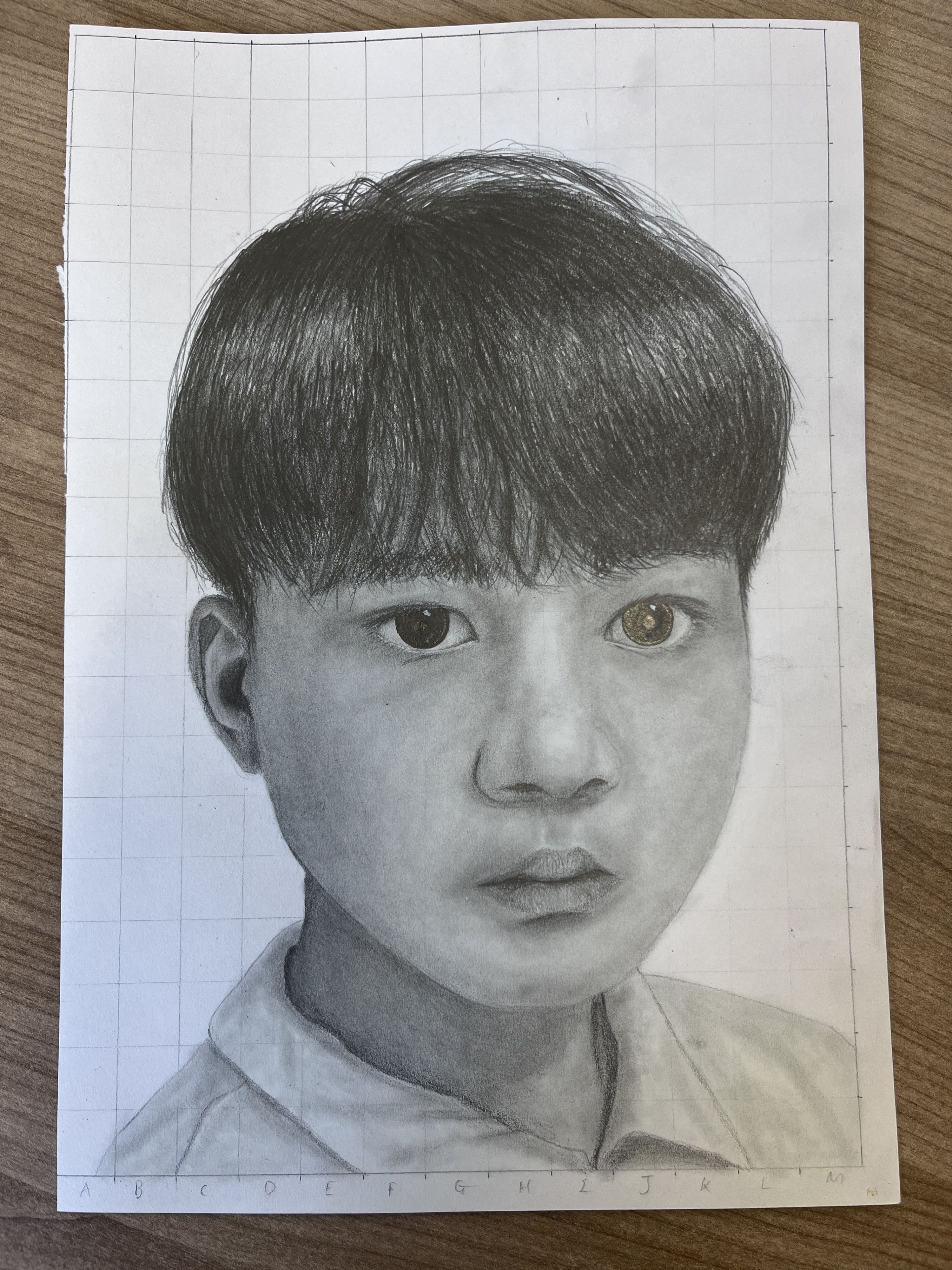
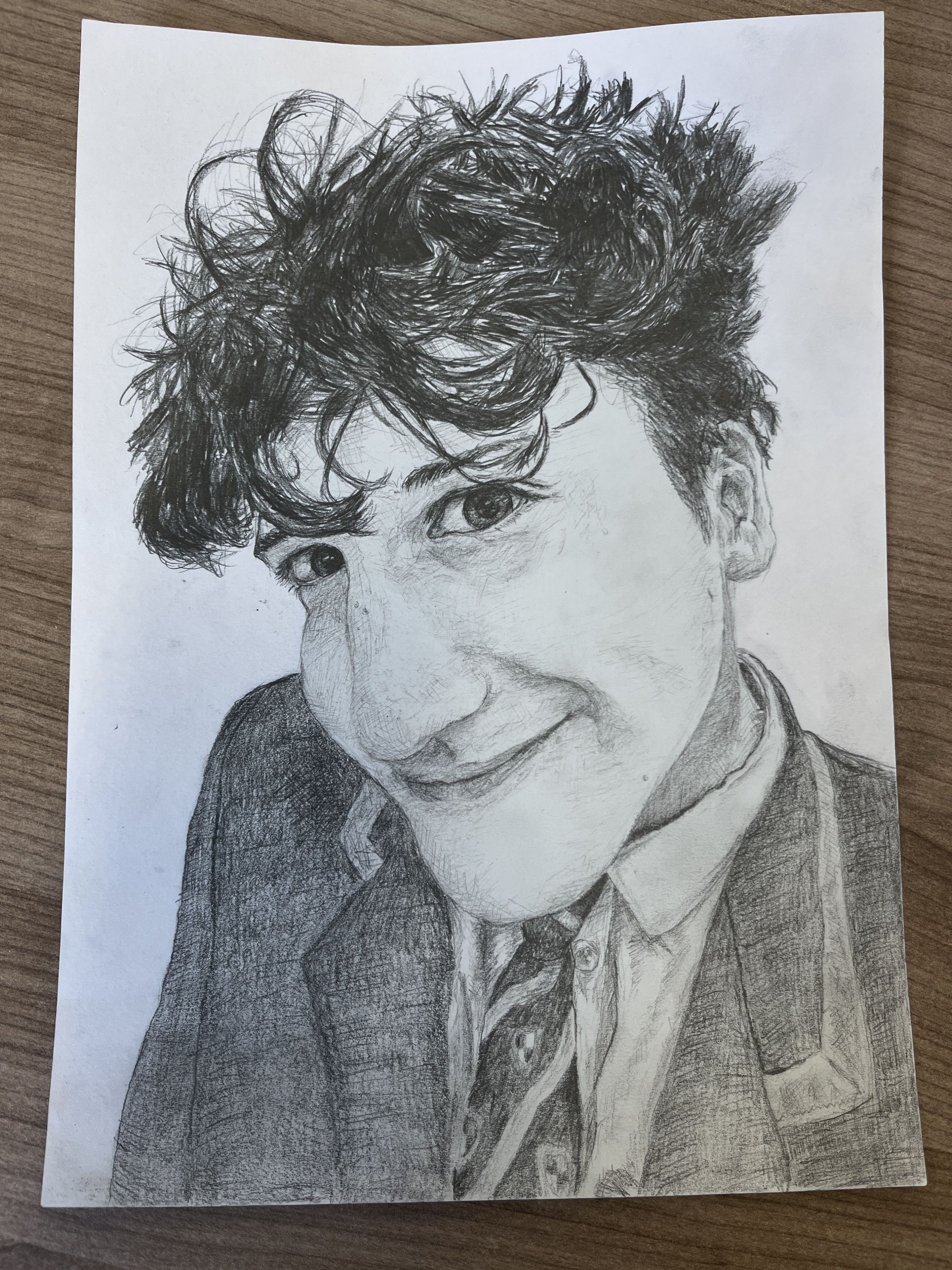
An important feature of the GCSE Art and Design course is the assessment. The final grade at the end of the course is made up of 60% from the coursework and 40% externally set assignment. Students produce project-based work. These projects that make up the coursework and externally set assignment are marked using the same four assessment objectives. The four assessment objectives have equal weighting and run through the heart of this course. This means all projects are based on the principle of learning and responding from the work of artists and other critical sources, recording insights and observation (most commonly, but not exclusively, though the use of drawing and photography), developing experimenting and refining ideas and techniques to produce personal responses and outcomes. Throughout the two years it is encouraged that students take risks and push past what comes easily. They are expected to respond to feedback and refine work at every stage up until the moment for final submission. Due to the ongoing nature of the course students benefit from being organised and working consistently throughout the two years. We structure the course and setting of tasks to support students in developing these skills.
Coursework
It is important that students understand the nature of the ‘Coursework’ requirements, as the term is used here in a slightly different sense than may be the case in some other subject areas.
‘Coursework’ here simply refers to all work produced during lesson and homework time over Year 10 and up until January of Year 11 can be used as submission for the 60% coursework. However, it is normal that the class teacher along with the student will decide on a selection of this work ensuring it reflects the highest standards that student has displayed across the four assessment objectives. Throughout it is encouraged that students respond to feedback and refine work at every stage up until the moment for final submission.
The Externally Set Task
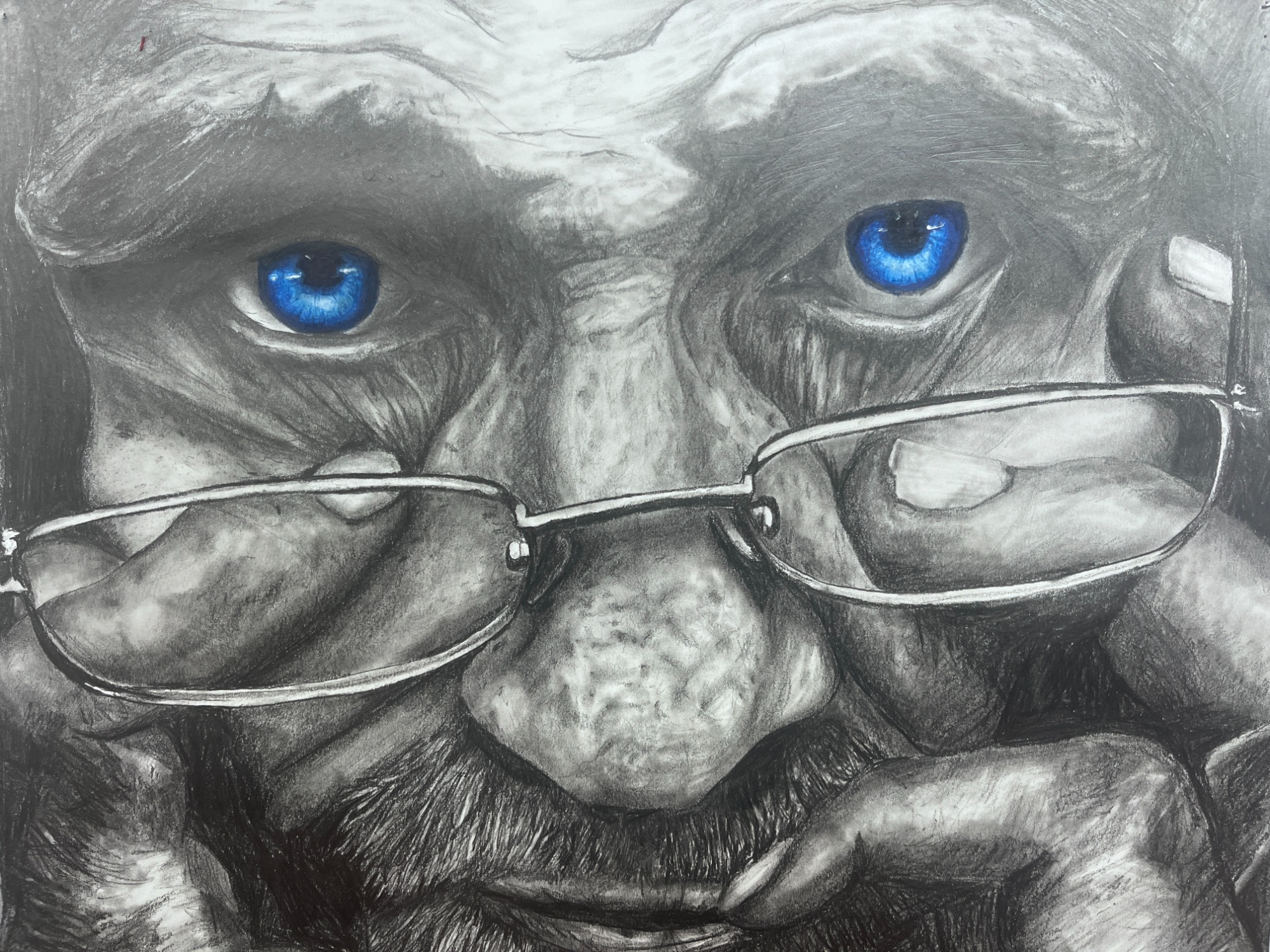
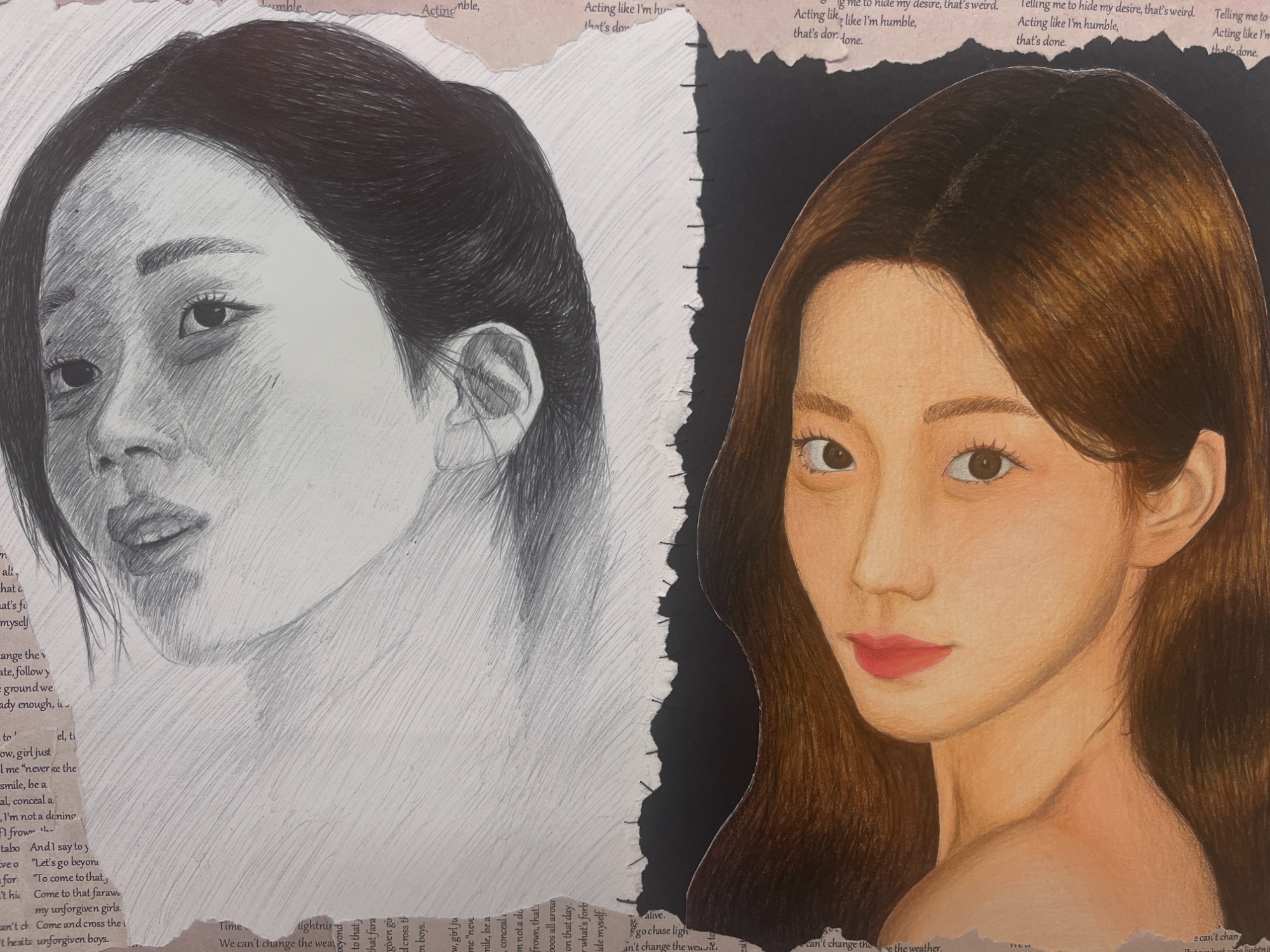
This is a project produced by students during classwork and homework between February and the end of April which concludes with a 10hr controlled exam setting for students to produce an outcome of their choosing. The starting point for this project is set by the exam board. The exam paper contains a range of starting points that allows students an opportunity to find a starting point that interests them and an opportunity to explore artists and techniques of their choice. All the work produced from February including the work produced in the 10 hours is submitted to make up the final 40% of the student's final grade.
Key Stage Four Curriculum Overview
|
KEY CONTENT OF TOPIC | ASSESSMENT POINTS | ||
|---|---|---|---|---|
| HT1 | Gothic |
This introductory GCSE Art & Design scheme of work is based on the rich and atmospheric theme of Gothic, providing a stimulating and imaginative foundation for students as they begin their GCSE journey. The project is designed to introduce and develop a broad range of core artistic skills and creative thinking, while also familiarising students with the four key GCSE assessment objectives. Throughout the scheme, students will explore the Gothic theme through a variety of engaging sub-topics including ravens, skulls, gothic architecture, and the macabre. These will serve as springboards for visual investigation, creative interpretation, and personal response. Students will work in both 2D and 3D media, including drawing, painting, photography, and sculpture, with an emphasis on experimenting with materials, developing observational skills, and refining techniques. They will be encouraged to explore mood, symbolism, and narrative – key characteristics of the Gothic genre – as they begin to form their own creative voice. |
1-9 |
|
| HT2 |
1-9 |
|||
| HT3 | 1-9 Final grading. | |||
|
HT4 |
Urban environment |
‘An urban area is the region surrounding a city. Most inhabitants of urban areas have non-agricultural jobs. Urban areas are very developed, meaning there is a density of human structures such as houses, commercial buildings, roads, bridges, and railways. "Urban area" can refer to towns, cities, and suburbs.’ Students will explore their own surroundings and respond. |
Trial Exam |
|
|
HT5 |
Urban environment |
Students will investigate the theme of Urban environment through drawing, painting, and 3D structures. |
Exam grade 1 -9 |
|
|
HT6 |
Start Y11 task – Skill building workshops |
Students will start their year 11 Theme - Independent working focusing on the four assessment objectives. (A01, A02, A03 and A04). Workshops on the theme will underpin the some of the technical skills that may be required by the students in the project. |
Verbal feedback/self-reflection (each lesson) Watercolour portrait Tonal drawing Photography skills using photoshop |
Year 11
| NAME OF TOPIC | KEY CONTENT OF THE TOPIC | ASSESSMENT POINTS | |
|---|---|---|---|
|
HT 1 |
Component 1 –60% |
Students will continue with their Component 1 60%. |
1-9 |
| HT 2 | Component 1 –60% | A01 – Students will research in depth artists and creators to develop their ideas further. Once they have selected artists that they would like to take further, Students will respond to each artist and analyse their work within their annotations. During this time, students will be expected to show their understanding of the artists and critically understand how/why artists create work. A02 – As students gain more understanding of the artists that they have selected, they will explore this further with different developments. This includes using different media to gain more of an understanding of how they will create personal outcomes. |
1-9 |
| HT 3 | Component 1 –60% | A03 – During the recording phase of their component 1 students are expected to photograph their subjects, draw their ideas. Throughout their portfolio students will annotate their investigations. A04 – The outcome will be the conclusion of their component 1. As students have worked through the assessment objectives, they will present a personal response. Students will have a Mock exam (10 hours) to create a final piece. | 1-9 Final grading. |
| HT 4 | NEA – component 2 | 1-9 Final grading. | |
| HT 5 | Reviewing and Refine Component 1 | Formal Tutorials and verbal feedback/self-reflection (each lesson) | |
| HT 6 | N/A | GCSE exams |
Recommended Revision Guides for GCSE
- No revision guides.
- Each student will be provided with a handbook. This is a working document between the student and teacher which outlines weekly tasks and expectations for the course.
Support available for GCSE Students
- Support sessions offered at lunch and after school by appointment.
- Intervention sessions are also provided.